
Our Cotton and Wool Dyeing unit is equipped with advanced machinery and technology to ensure high-quality, consistent, and uniform dyeing results across a wide range of yarns and fibers. We specialize in dyeing both woollen and cotton materials, maintaining strict control over process parameters to achieve precise shade matching and excellent color fastness.
The dyeing process is carried out under controlled conditions, including accurate temperature regulation, chemical dosing, and processing time. This ensures uniform penetration of dyes, superior finish, and durability of colors. Our facility is capable of handling both loose fiber and cone dyeing, catering to diverse production requirements.
Our total Production Dyeing Capacity is 20,000 Kg per day, which includes:
With a strong focus on quality, efficiency, and sustainability, we ensure that all dyeing processes meet industry standards while optimizing resource utilization and minimizing environmental impact.
Our Sampling Dyeing facility is designed to achieve precise color development and consistency before bulk production. This process plays a crucial role in matching customer requirements, ensuring shade accuracy, and minimizing variations in final output.
We are equipped to handle a wide range of fibers including woollen and cotton, using controlled dyeing techniques and high-quality dyes and chemicals. Our experienced team closely monitors parameters such as temperature, time, and chemical dosage to achieve exact shade matching and reproducibility.
The Sampling Dyeing section has a total capacity of 250 Kg, comprising 200 Kg for woollen and 50 Kg for cotton. This setup allows us to efficiently develop and approve multiple shades simultaneously, ensuring faster sampling turnaround and smooth transition to bulk production.
Our focus on precision, quality control, and timely execution ensures that every sample meets the desired standards and client expectations.
Screen printing is a widely used technique for applying designs and patterns onto fabric surfaces with high precision and color vibrancy. In this process, specially prepared screens are used to transfer dyes or pigments onto the fabric. Each color in the design is applied through a separate screen, allowing for intricate patterns and consistent reproduction.
The fabric is placed on printing tables or machines, and color is applied using squeegees that press the dye through the mesh of the screen onto the fabric. After printing, the fabric undergoes drying and curing processes to ensure color fixation, durability, and wash fastness.
Our screen printing unit is equipped with advanced machinery and skilled operators to ensure high-quality output, uniform printing, and efficient production.
Production Capacity: 50,000 Sq. Mt. per month
Our Testing Laboratory is a fully equipped and professionally managed facility dedicated to ensuring the highest standards of quality, performance, and compliance in all textile products. The laboratory plays a vital role in maintaining product consistency from raw material to finished goods, supporting both in-house production and buyer-specific requirements.
The lab operates in accordance with ISO/IEC 17025:2017 standards and is accredited by the Quality and Accreditation Institute (QAI), ensuring reliability, accuracy, and international acceptance of test results. All testing procedures are carried out under controlled environmental conditions by trained and experienced technical personnel.
The laboratory is capable of conducting a comprehensive range of chemical and mechanical tests for fibers, yarns, woven fabrics, carpets, rugs, and made-ups as per international standards such as AATCC, ISO, and ASTM.
The testing laboratory is equipped with advanced instruments such as:
Strict quality control systems are followed at every stage of testing to ensure accuracy, repeatability, and compliance with international buyer standards. Regular calibration of instruments and adherence to standard test methods ensure reliable and consistent results.
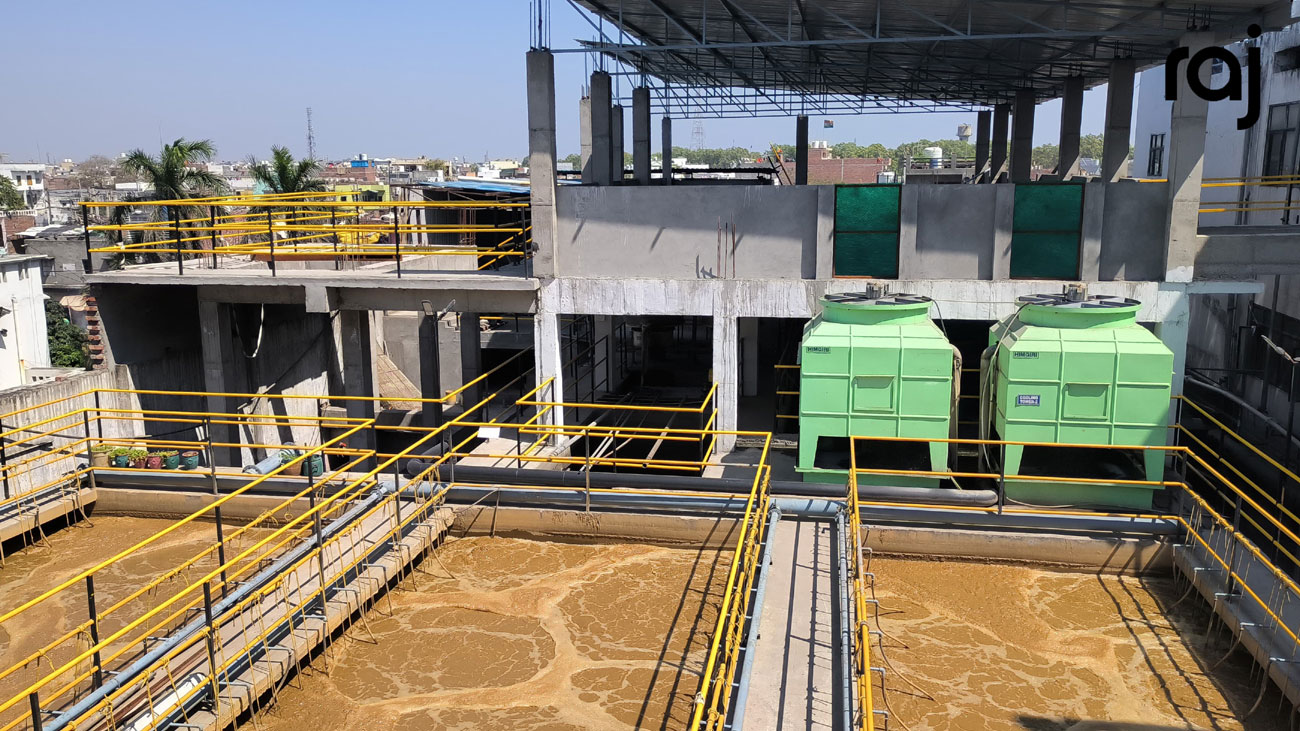
We have a well-equipped Effluent Treatment Plant (ETP) designed to treat and manage wastewater generated during the manufacturing processes, ensuring compliance with environmental norms and sustainable operations.
Our ETP is installed with a treatment capacity of 800 KLD (Kilo Litres per Day), enabling efficient handling of large volumes of effluent. The plant operates through a systematic treatment process including primary, secondary, and tertiary stages, ensuring the removal of suspended solids, harmful chemicals, and contaminants from wastewater.
The treatment process involves screening, equalization, biological treatment, clarification, and filtration, followed by safe discharge or reuse of treated water wherever applicable. Advanced monitoring systems are in place to maintain consistent water quality standards as per regulatory requirements.
Through this facility, we are committed to minimizing environmental impact, conserving water resources, and promoting eco-friendly manufacturing practices

 TUFTED CARPETS
 HANDWOVEN CARPETS
 KILIMS
 FURNITURE
 CUSHIONS & PILLOWS
 POUFS
 WALL ART
 BEDDING
 DOORMATS